
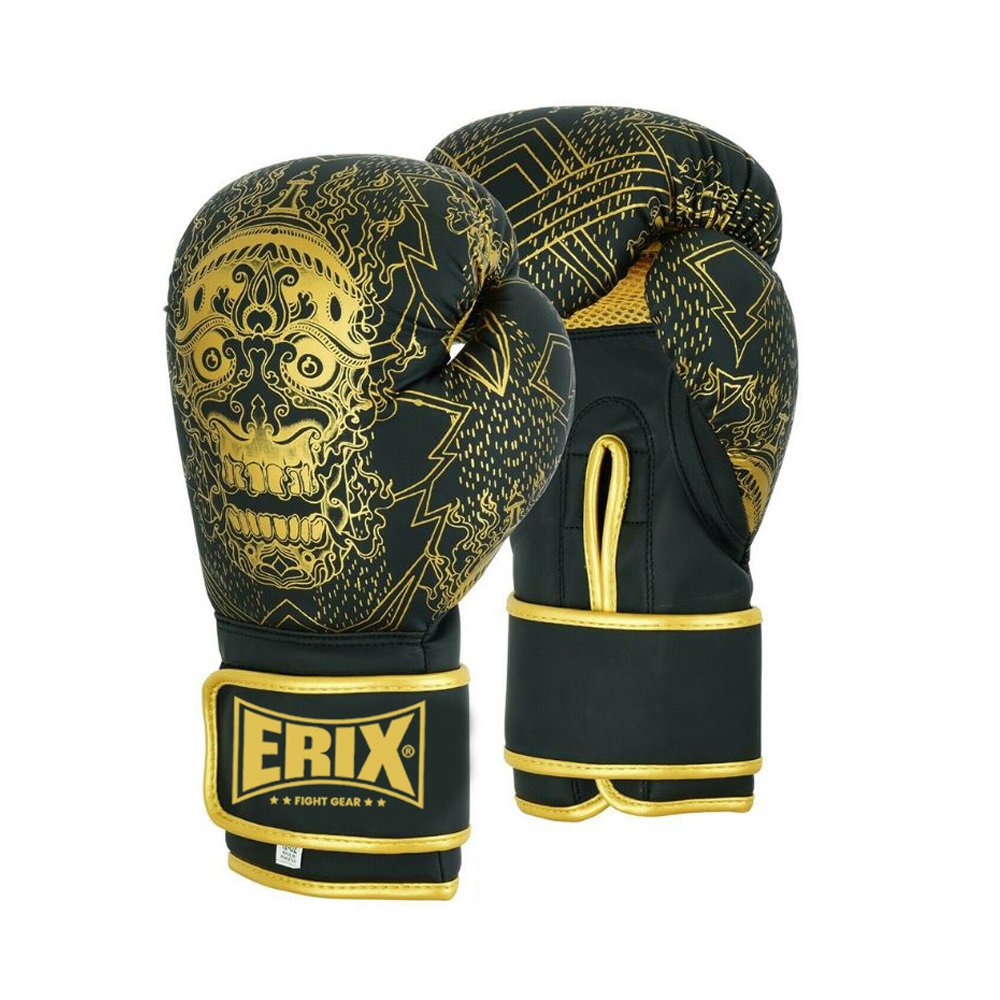


1. Material:
-
Synthetic Leather: Durable, affordable, and easier to clean. Often found in entry-level gloves.
-
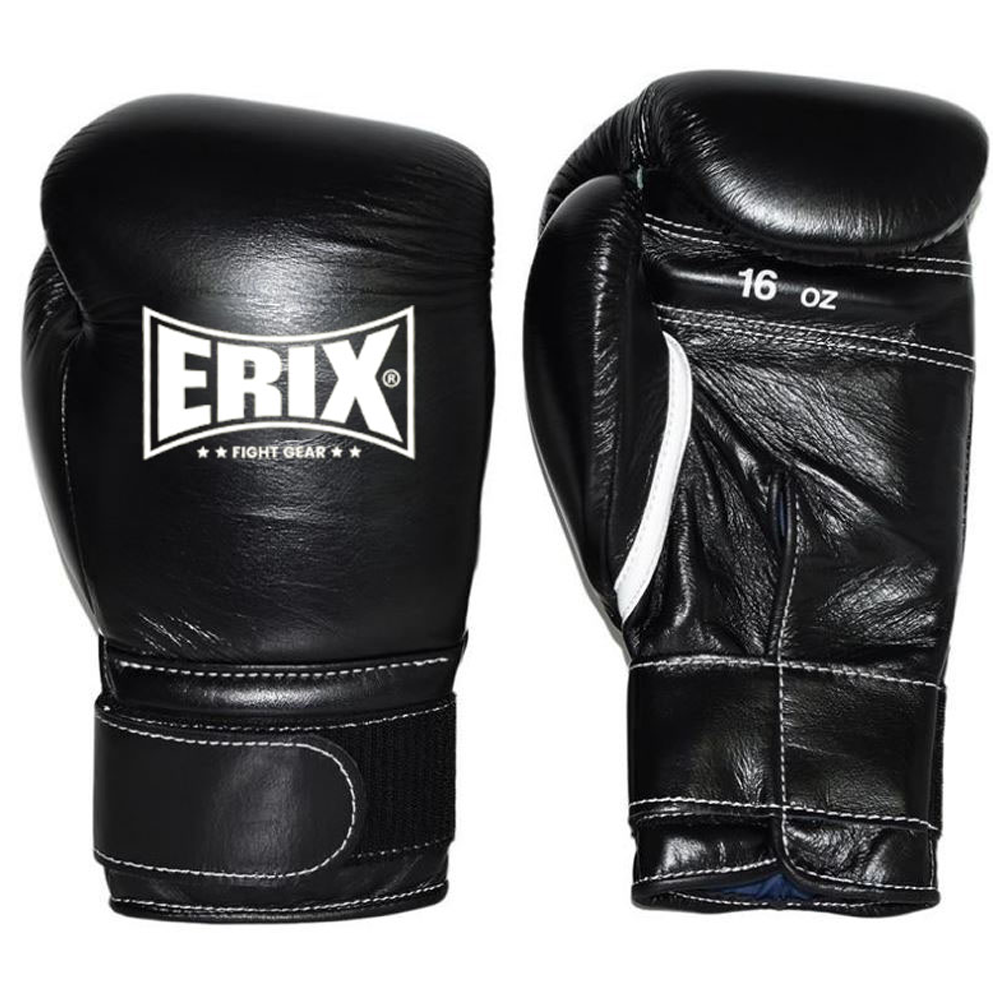
Genuine Leather: Premium material, offering a longer lifespan and better feel but comes at a higher price point.
-
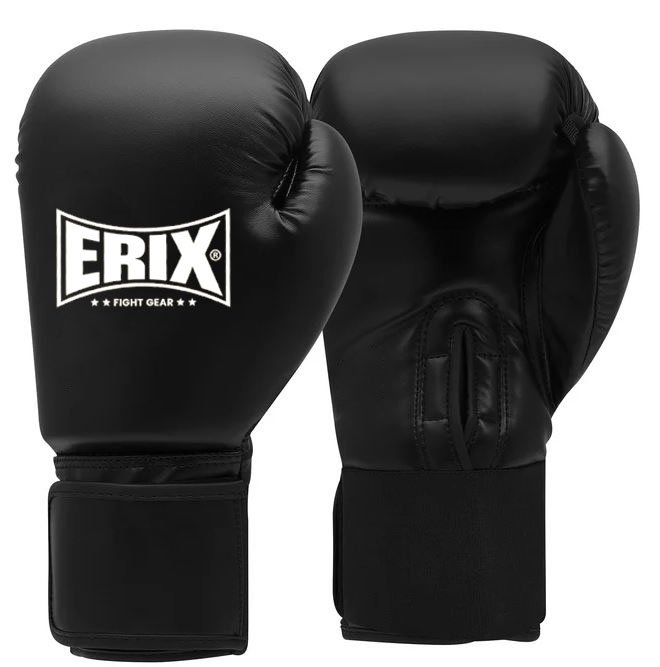
Vinyl or PU: Another synthetic option that is lighter and less expensive than leather.
2. Padding:
-
Foam Padding: The most common type, providing excellent shock absorption and comfort.
-
Gel Padding: Sometimes used in higher-end gloves for superior protection, contouring better to the hand.
-
Multi-Layer Padding: Combines different materials to give both shock absorption and a firm fit, ideal for durability and comfort.
3. Weight:
-
Measured in ounces (oz), gloves generally range from 8oz to 16oz.
-
8oz-10oz: Lighter gloves, ideal for speed, technical training, or people with smaller hands.
-
12oz-14oz: Standard weight, commonly used for general training and bag work.
-
16oz: Often used for sparring and providing more protection to both the user and their partner.
-
4. Closure Type:
-
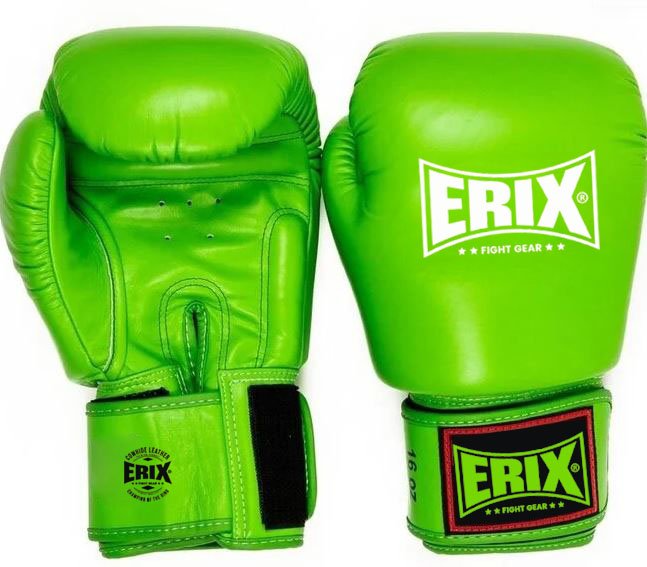
Velcro Strap (Hook-and-Loop): Common in most training gloves, providing easy on/off convenience and adjustable wrist support.
-
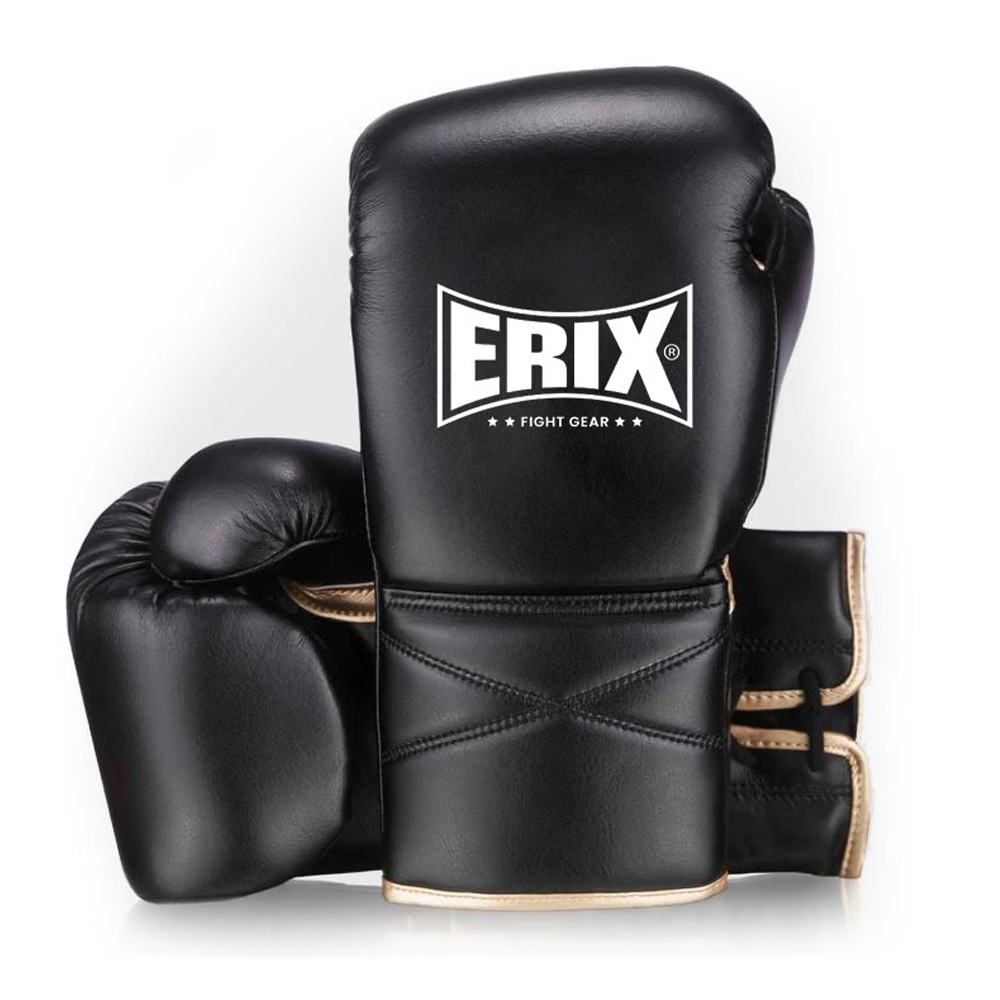
Lace-Up Closure: Offers a more custom, snug fit but requires assistance to tighten. Typically found in professional or competition-level gloves.
-
Double Velcro or Split Closure: Two Velcro straps for extra wrist stability and security.
5. Fit & Comfort:
-
Pre-curved Design: Many gloves are pre-curved to fit the natural hand position, making it easier to form a fist and minimizing hand fatigue.
-
Breathable Lining: Mesh or ventilation panels in the interior that help wick away sweat and keep your hands cool and dry.
-
Interior Padding: Soft, moisture-wicking fabric lining inside the gloves to prevent discomfort and irritation.
6. Thumb Protection:
-
Attached Thumb: Most modern gloves feature a thumb that is stitched to the main glove body to reduce the risk of thumb injuries or sprains.
-
Thumb Lock Technology: A design feature that ensures the thumb stays in the proper position during training.
7. Protection:
-
Knuckle Protection: Thick padding around the knuckles to absorb the force of punches and reduce the risk of injury.
-
Wrist Support: Reinforced wrist areas (especially in heavier gloves) to ensure stability during punches, preventing wrist hyperextension.
-
Impact Resistance: Gloves are designed to withstand heavy impacts while offering comfort, reducing the chances of injury to the user or training partner.

Reviews
There are no reviews yet.